
Dangerous African Game & Species Field Guide
At Kampvuur Safaris, we are a licensed hunting outfitter specializing primarily in dangerous African game. We believe that responsible hunting is one of the most powerful tools for wildlife conservation. Our pursuit of Africa's apex species is grounded in deep respect, traditional fair-chase walk-and-stalk tracking, and sustainable habitat preservation.



The Fair Chase & Conservation Science Invariant
In strict adherence to South African nature conservation laws and international fair-chase standards, Kampvuur Safaris strictly prohibits hunting with radio telemetry, GPS tracking collars, or electronic locating equipment. All sporting pursuits are conducted purely on foot (walk-and-stalk), reading natural spoor and wind. Radio telemetry and satellite collaring are utilized strictly and exclusively for our non-hunting scientific research safaris and veterinary conservation programs conducted in active partnership with global universities.
Dangerous Game & Regional Variations
Filter below across 24 species photographed on our private reserves, complete with spoor diagnostics, behavioral field lore, calibrated trophy tariffs, and authentic bushveld field notes.
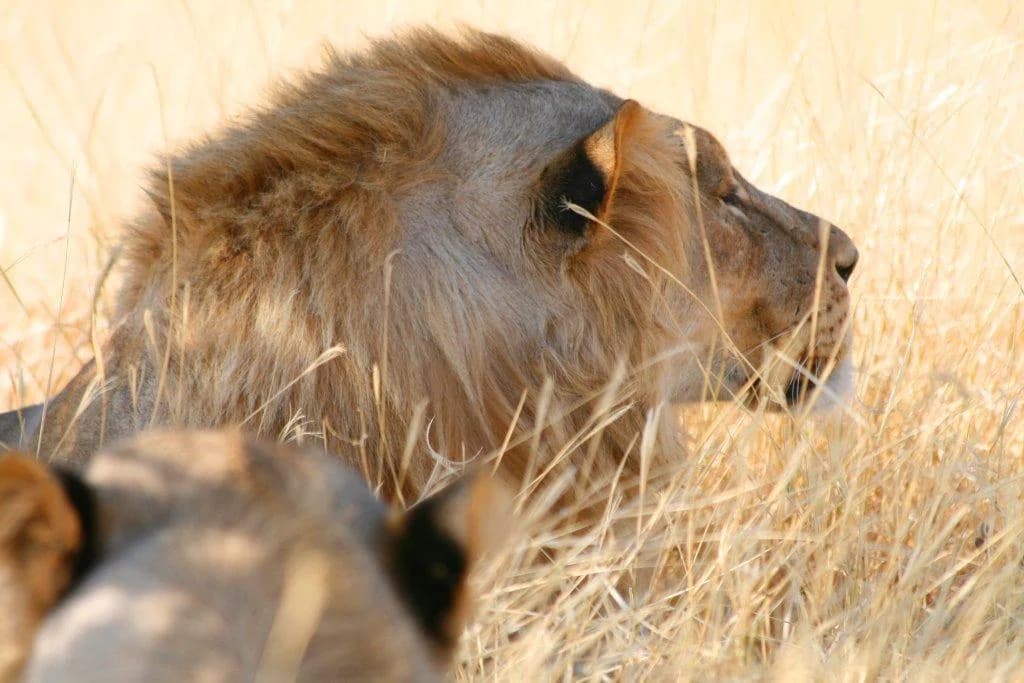
African Lion
Panthera leoThe only truly social big cats, living in prides with complex hierarchies, maintaining the balance of Africa's wild biomes as apex predators.
Large rounded paw print without claw marks; deep heel pad depression in sandy riverbeds.
“Listen for the guttural dawn roar vibrating through the soil. When tracking on foot, always respect their flight distance and keep downwind.”
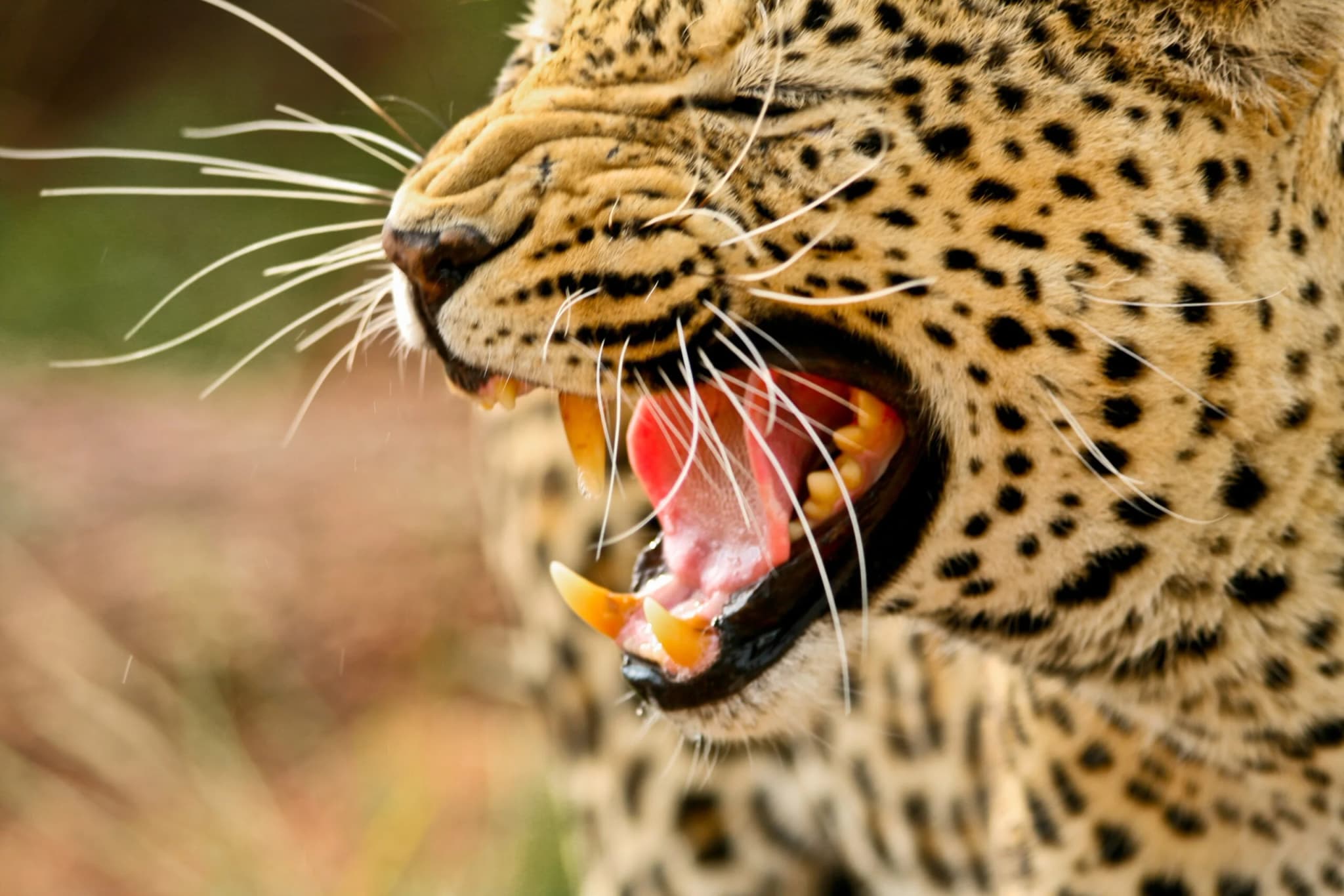
African Leopard
Panthera pardusElusive big cats known for their distinctive rosettes and incredible strength, capable of hoisting quarry several times their body weight into trees.
Smaller, asymmetrical feline pad; crisp circular print without nail indentations.
“Look up into the forks of ancient leadwood trees at sunset. An antelope leg hanging from a bough is the hallmark signature of an active territory.”
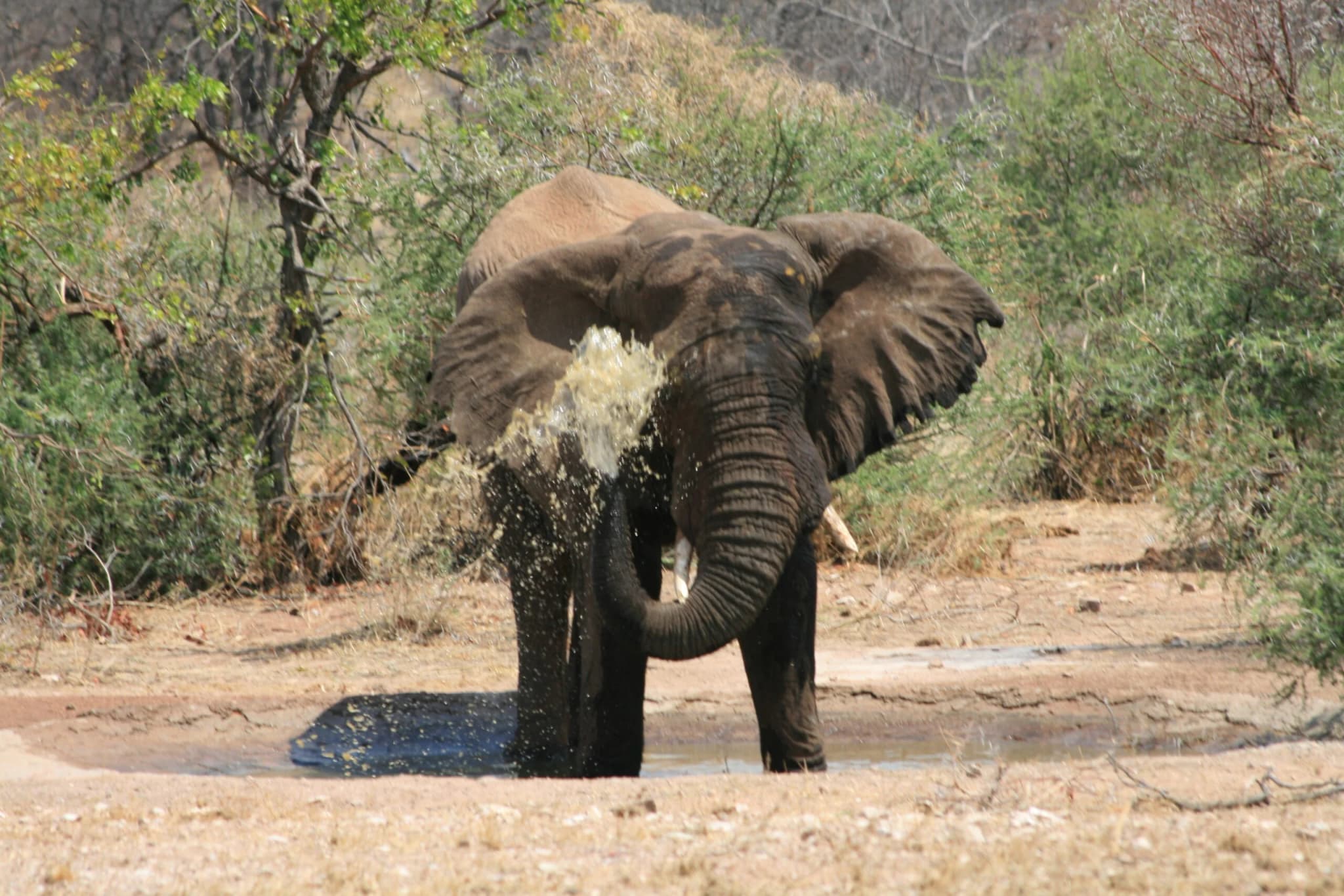
African Elephant
Loxodonta africanaThe largest land animals on Earth, playing a crucial ecological role as ecosystem engineers through their feeding habits and landscape modification.
Deep oval and round prints with intricate tread patterns that act as miniature micro-ponds for insects.
“Elephants walk with near-total silence on padded shock-absorbing feet. The gentle snapping of a mopane branch is often your only warning.”
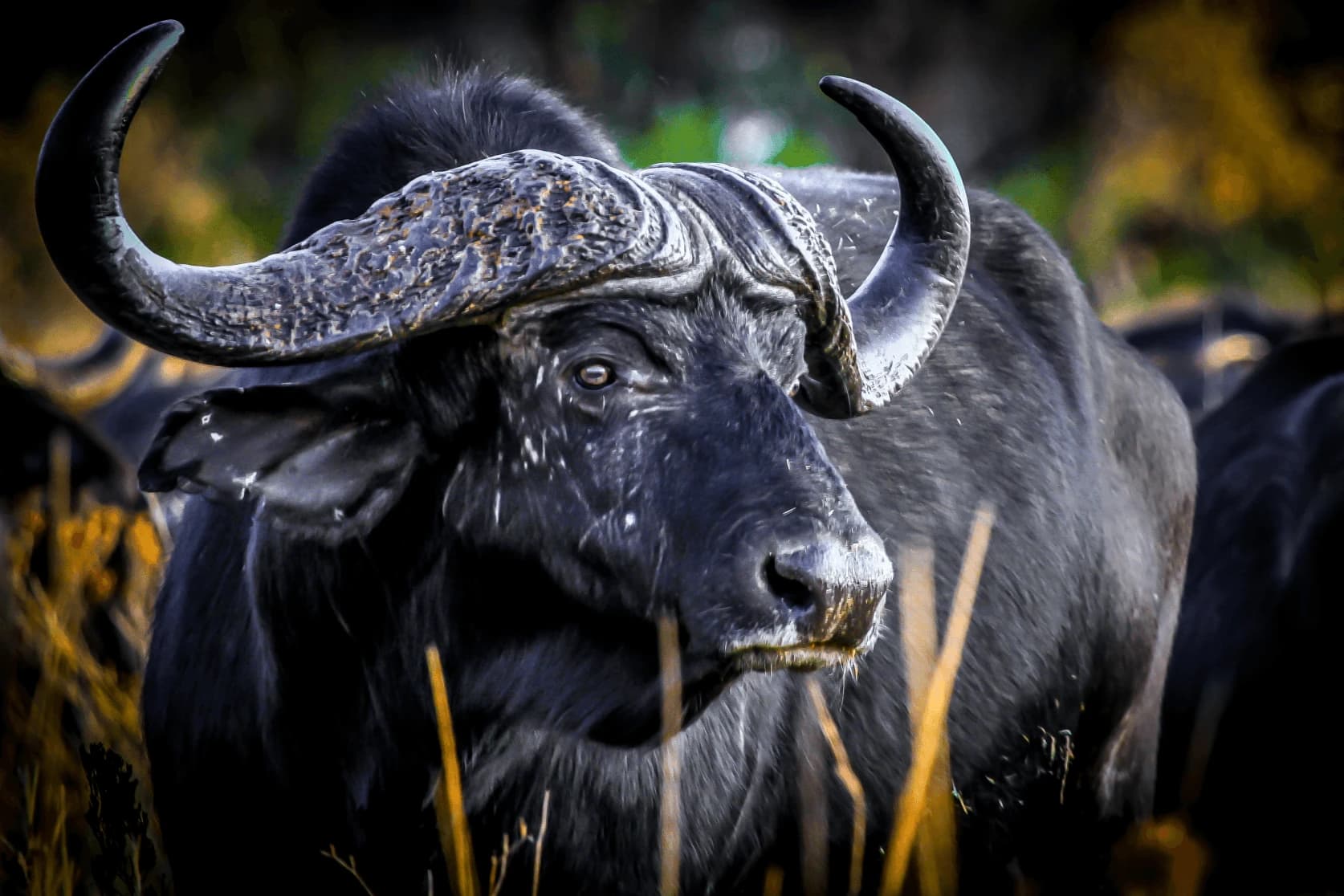
Cape Buffalo
Syncerus cafferFormidable, heavily bossed bovines known as the 'Black Death'. Tracked on pure fair-chase foot stalks across riverine thickets and mopane scrub.
Heavy split-hoof impression deeply pressed into red clay and mud pans.
“Never position yourself between an old 'dagga boy' bull and thick riverine bush. Watch the oxpecker birds—they announce danger long before the herd sees you.”
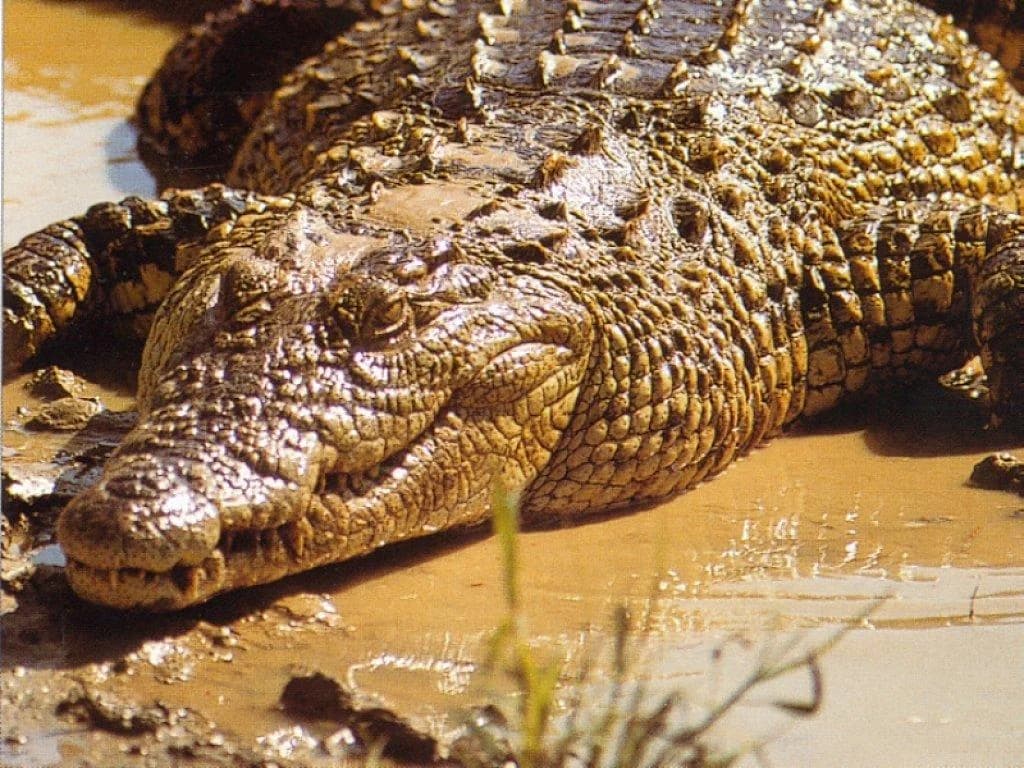
Nile Crocodile
Crocodylus niloticusAncient prehistoric reptiles that have remained virtually unchanged, serving as apex ambush predators across Southern African waterways.
Broad belly drag mark flanked by splayed five-toed claw prints along sandy mudbanks.
“Study the basking patterns on sandbanks at 11h00. A submerged log that drifts against the current is no log at all.”
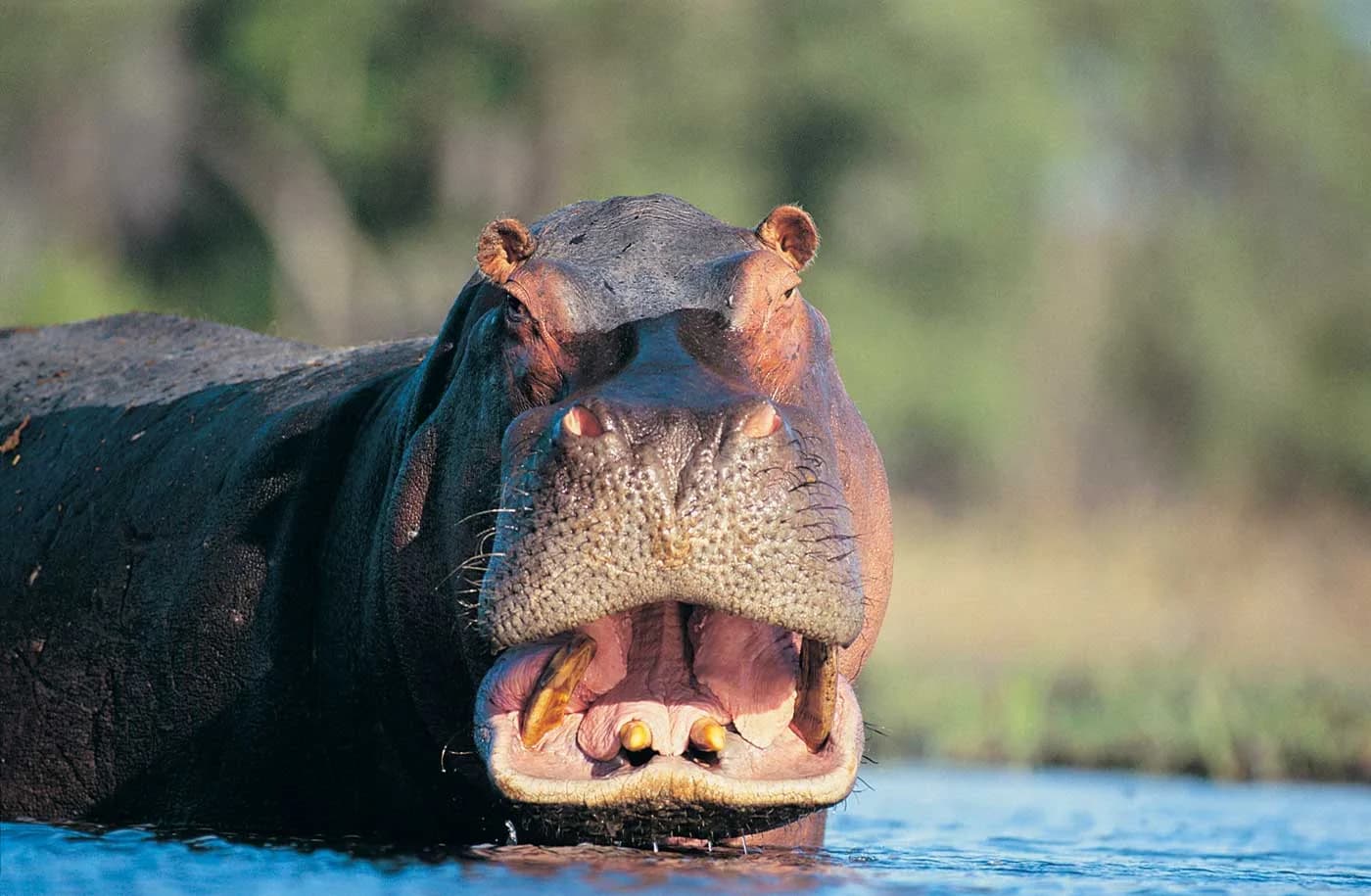
Hippopotamus
Hippopotamus amphibiusMassive, semi-aquatic herbivores that spend their day submerged in deep pools, possessing immense canine tusks and fierce territorial instincts.
Dual-parallel tracks created by their wide body stance with heavy four-toed footprints.
“Give hippos a wide berth when they graze ashore after dark. Never cut off their path back to the deep water.”
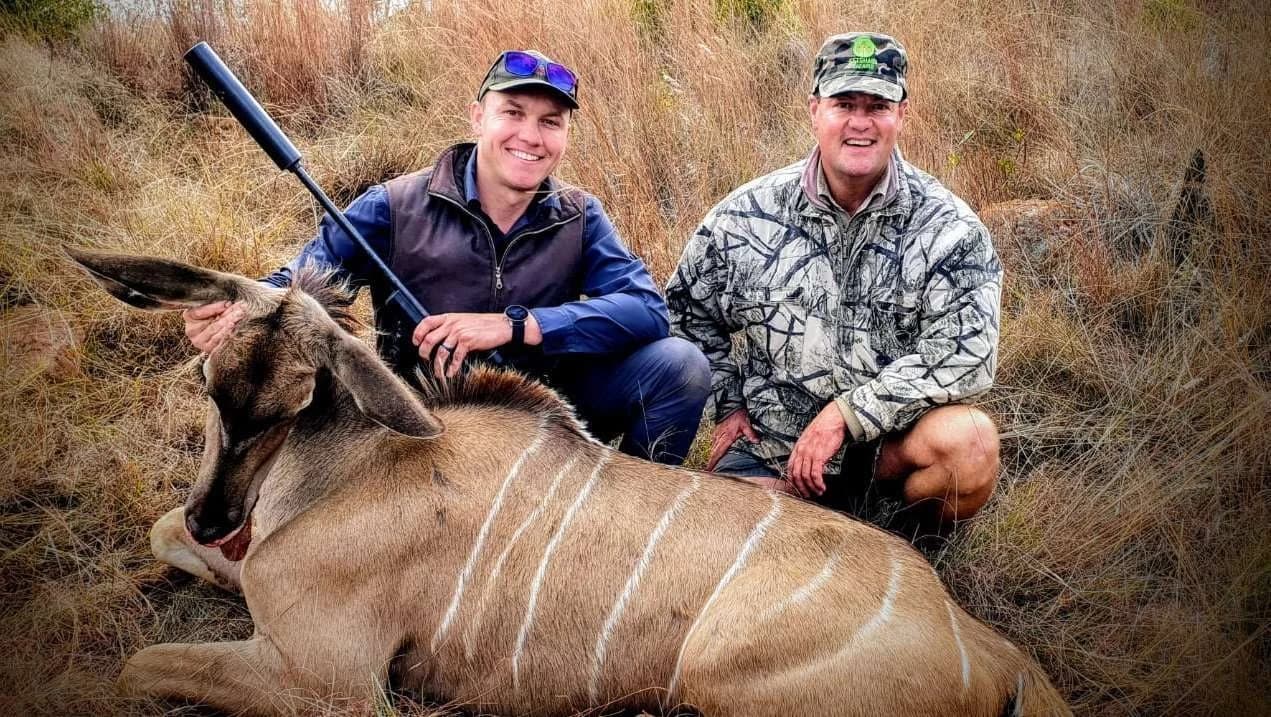
Greater Kudu
Tragelaphus strepsicerosThe 'Grey Ghost of Africa'. Majestic corkscrew horns soaring over 50 inches, navigating dense rocky sandstone ridges with silent grace.
Elongated, sharp-pointed cloven hooves indicating high agility in rocky terrain.
“A kudu bull can freeze motionless for twenty minutes inside a thorn thicket until you pass. Train your eye to catch the white ear twitch.”
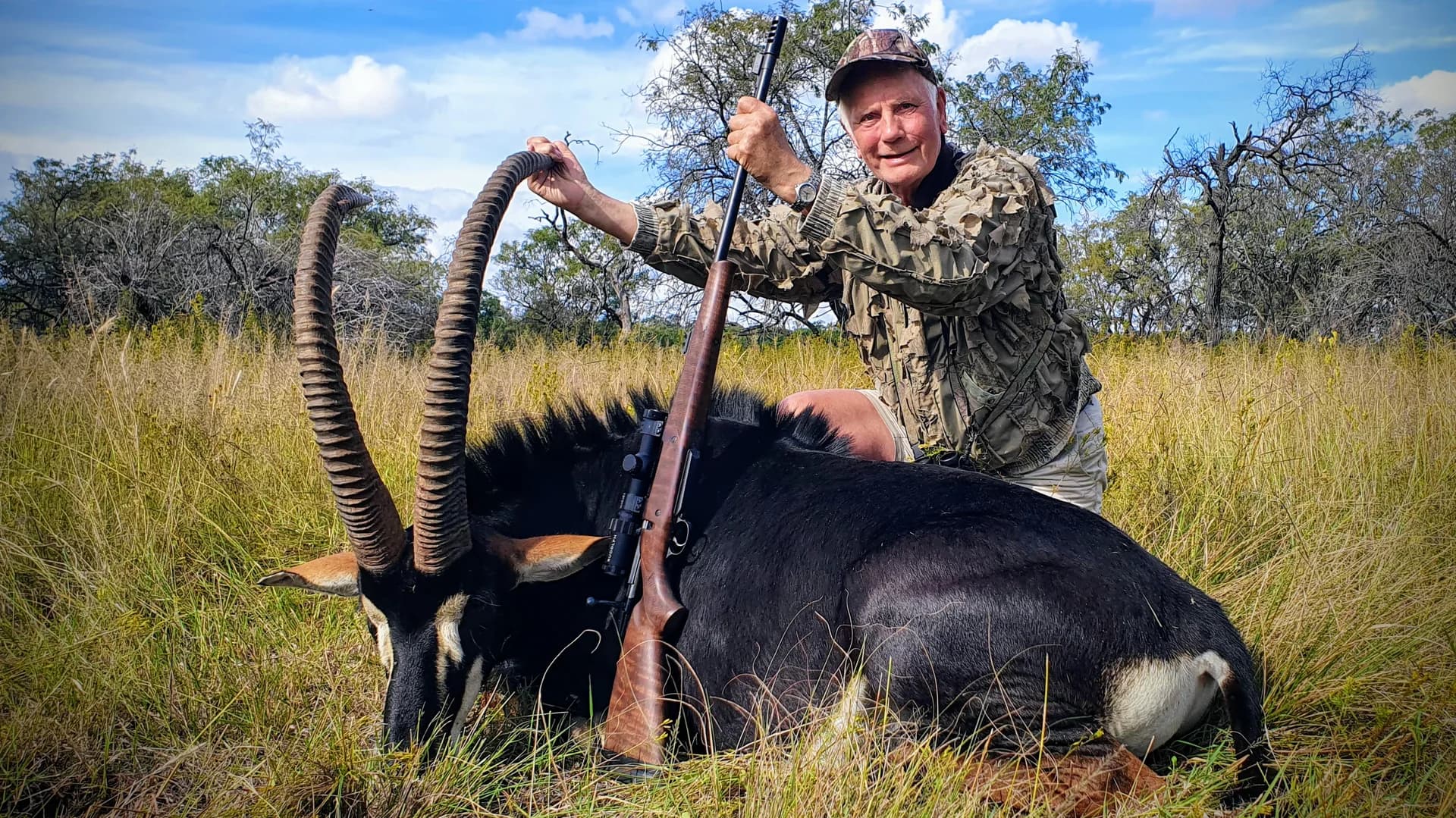
Sable Antelope
Hippotragus nigerThe proud aristocrat of the savanna. Pitch-black coats, stark facial heraldry, and sweeping scimitar horns carried with unmatched regal bearing.
Robust, heart-shaped cloven tracks with wide splay in sandy soil.
“A proud warrior species. Even pride lions hesitate before attacking an adult sable bull backed into a protective stance.”
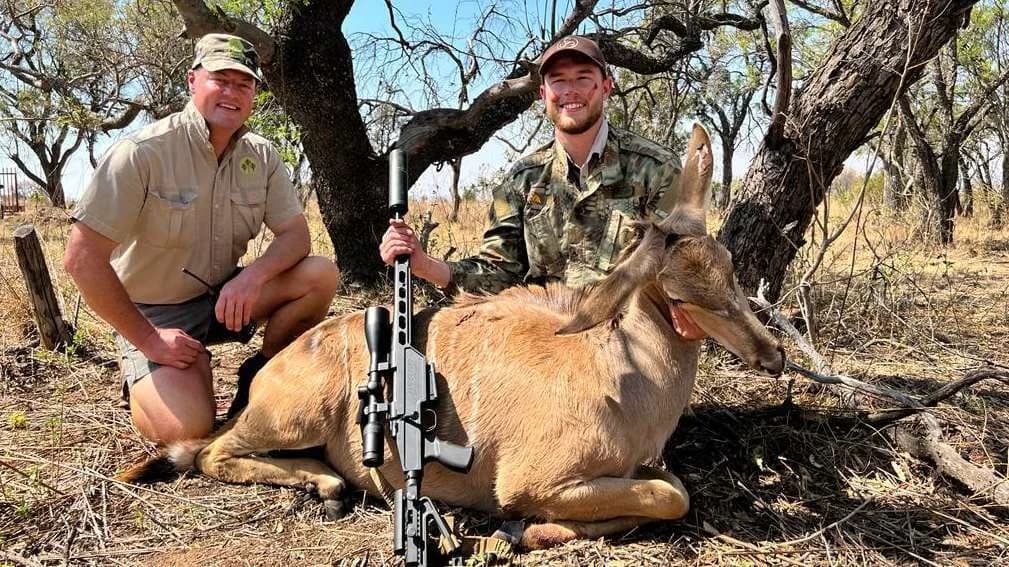
Cape Eland
Taurotragus oryxThe largest antelope on Earth. Mature bulls weigh over 2,000 lbs, sporting slate-blue capes, heavy forehead tufts, and spiral horns.
Enormous rounded cloven tracks easily confused with domestic cattle or young buffalo.
“Listen for the mysterious clicking sound when eland walk. It is caused by tendon tension in their knees, audible over 50 meters away.”
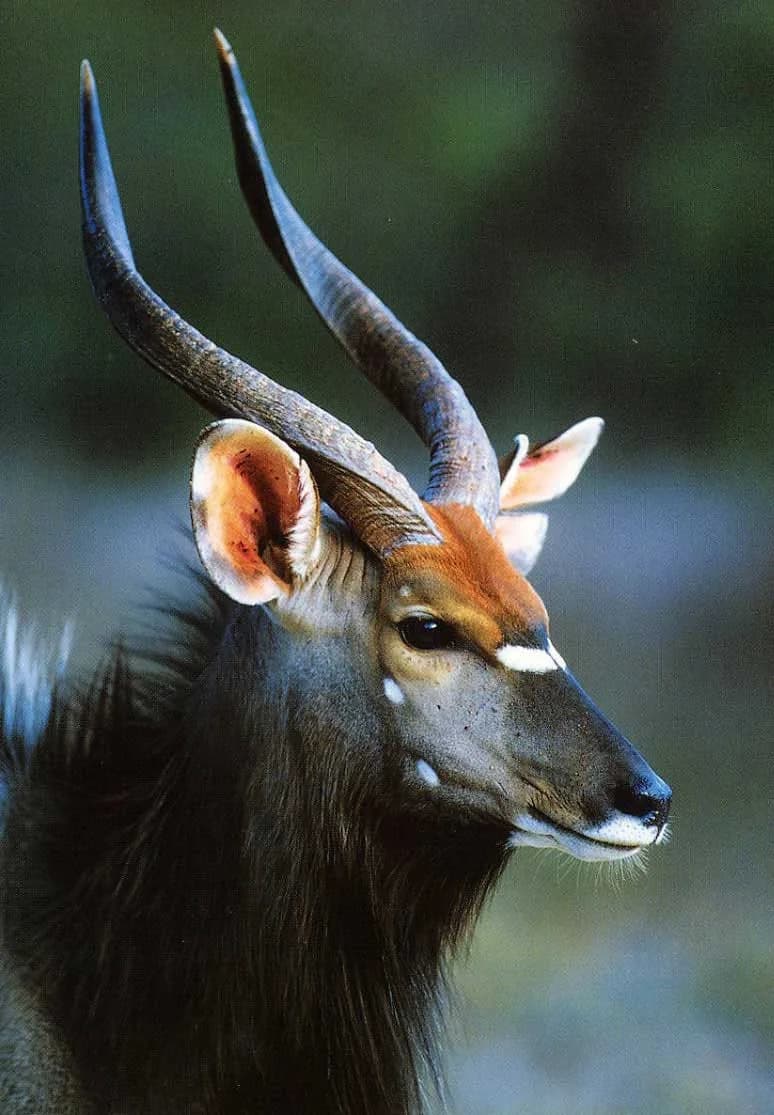
Nyala
Tragelaphus angasiiDistinguished by shaggy slate-grey coats, vivid yellow-orange lower legs, ivory horn tips, and a white dorsal crest erected when challenged.
Small, narrow cloven hooves with sharp tips suitable for dense thornveld.
“Nyala thrive in dense sand forest thickets. Move at a snail's pace through the dappled shade and look for the bright yellow-orange lower legs.”
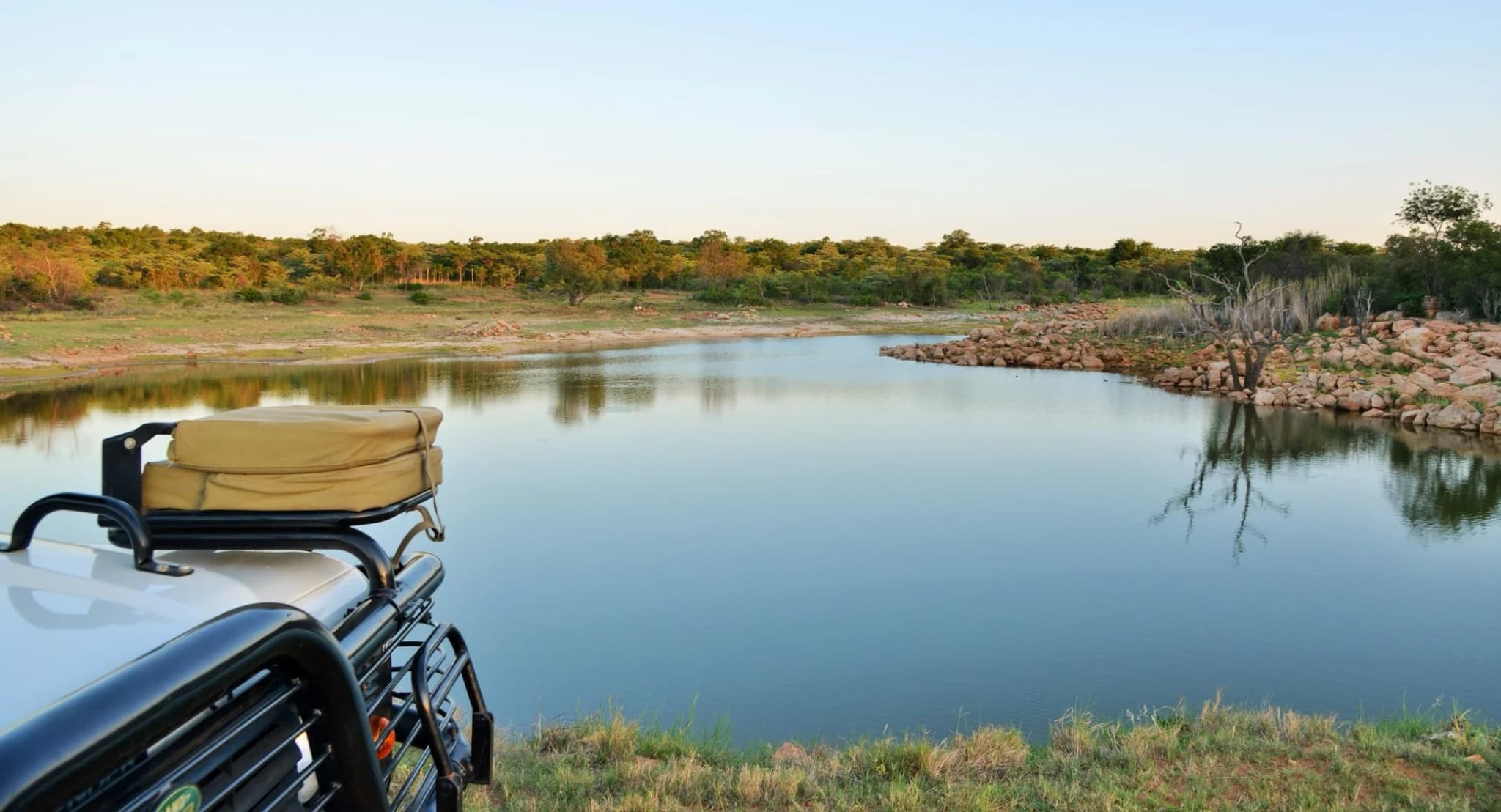
Waterbuck
Kobus ellipsiprymnusSturdy, shaggy-coated antelopes carrying a white elliptical target ring on their rump and long, forward-curving lyre horns.
Broad, blunt cloven hoof impressions found in damp riverbank mud and reed fringes.
“Their coat carries a pungent water-repellent musk oil. Often seen standing motionless along river bends, surveying reedbeds with calm majesty.”
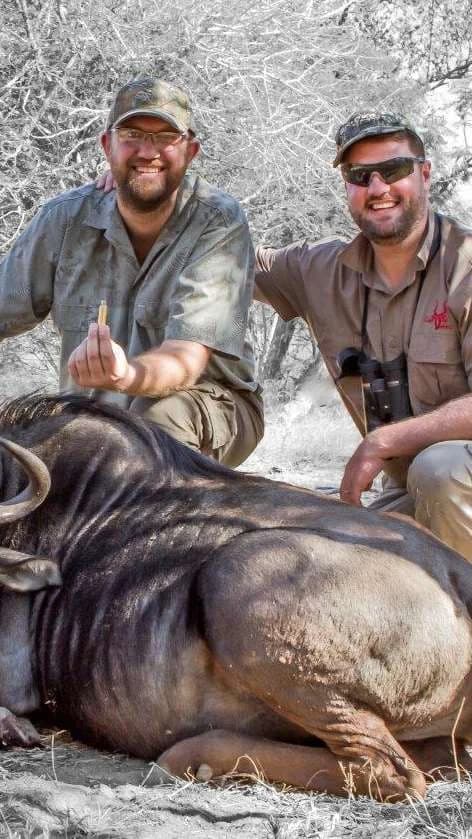
Blue Wildebeest
Connochaetes taurinusKnown as the brindle gnu. Tough, muscular herd animals possessing immense tenacity, heavy downward-curving horns, and an unpredictable gait.
Uneven split hooves with larger front hooves supporting their massive muscular front shoulders.
“A cornerstone of African plains game hunting. Their vital zone sits further forward than most antelopes; place your shot straight up the front leg.”
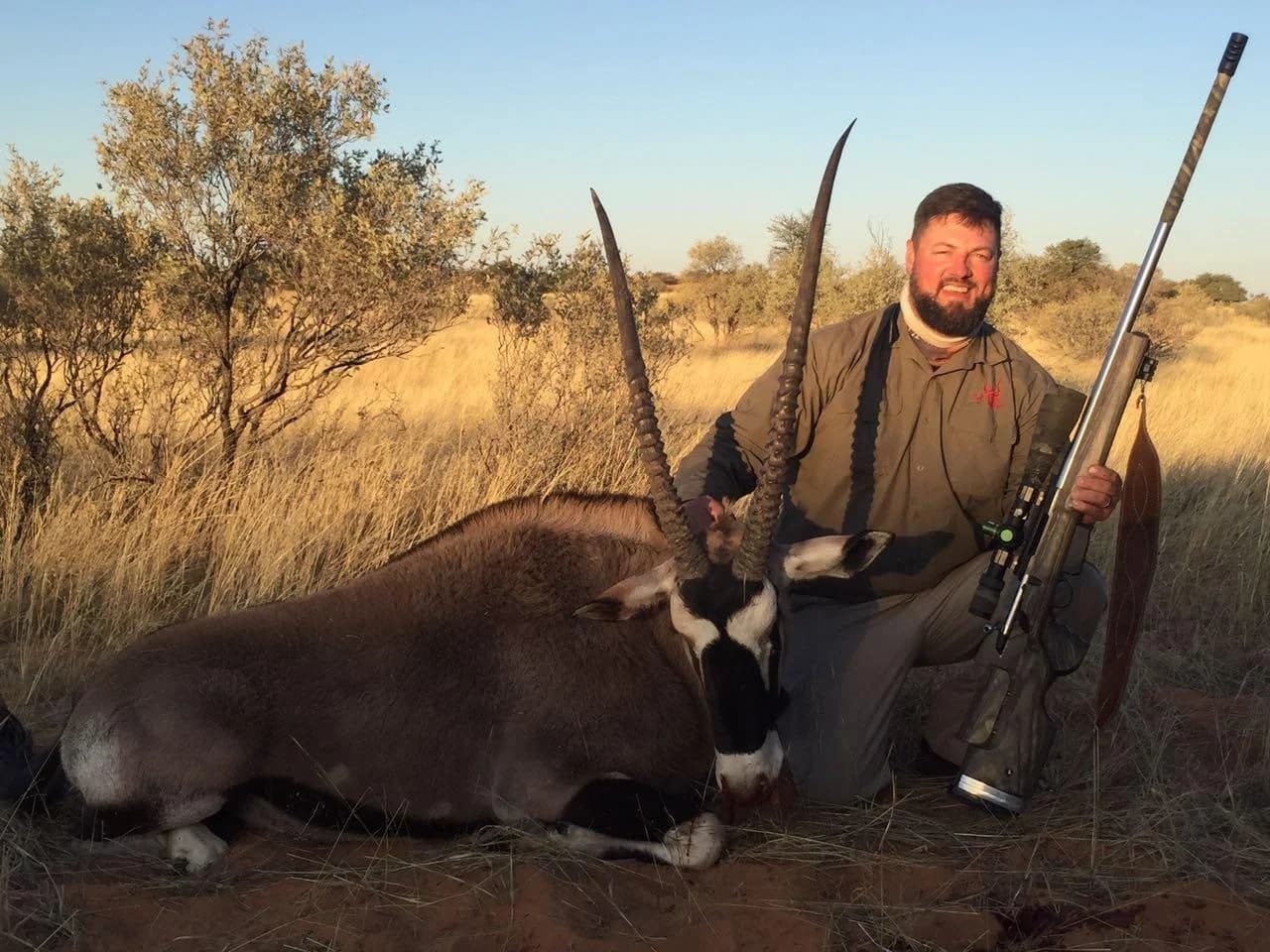
Gemsbok (Oryx)
Oryx gazellaThe desert icon of Southern Africa. Mask-like black-and-white facial heraldry, striking flank stripes, and straight, spear-like horns exceeding 40 inches.
Compact, symmetric cloven hooves adapted for hard desert crust and shifting sands.
“In the Kalahari red dunes, their geometric face masks against the sunset provide one of the most stunning silhouettes in all of Africa.”
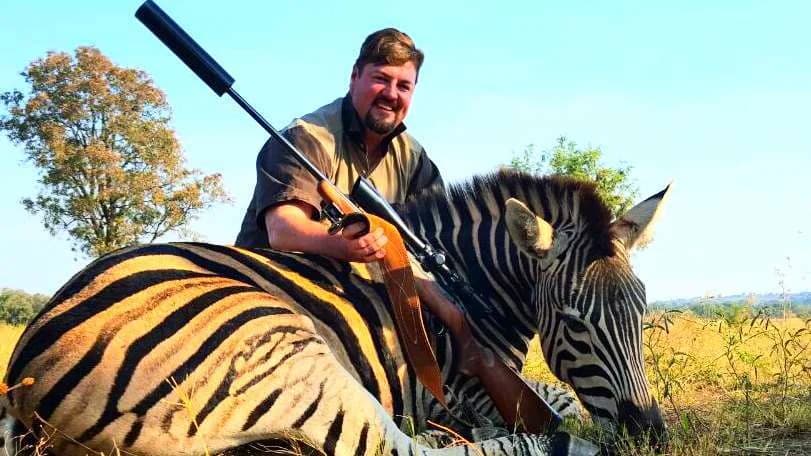
Burchell's Zebra
Equus quagga burchelliiThe quintessential equine of the African savanna. Distinctive shadow stripes between black-and-white bands and acute hearing that guards grazing herds.
Solid, rounded single-hoof track with distinct rear frog indentation.
“Zebras act as sentinels of the bushveld. If a herd abruptly lifts their heads and stares at a single thicket, prepare your camera—a predator is near.”
Cape Bushbuck
Tragelaphus scriptusA solitary, pugnacious spiral-horned browser. Dark chestnut to near-black in mature rams with striking white spots and keen, alert senses.
Tiny, sharp, neat cloven tracks often accompanied by low brush rubs along river banks.
“Bushbuck are fierce fighters when cornered. Hunt them at first light along oxbow drainage lines when they step into clearings to catch the warm dawn sun.”
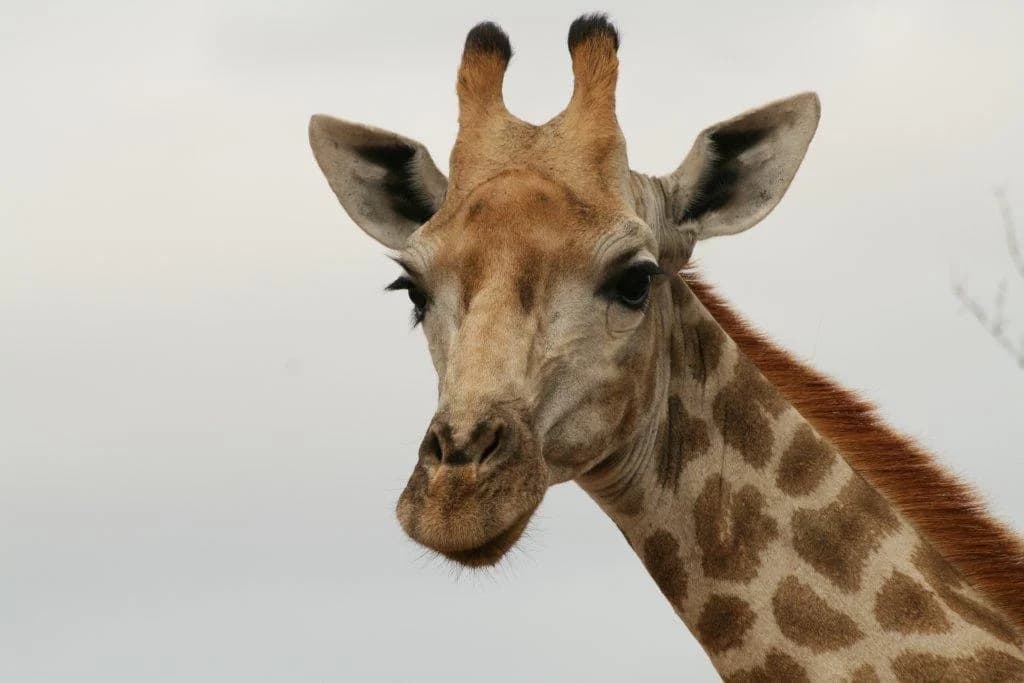
Giraffe
Giraffa giraffaTowering canopy browsers of the acacia savanna. Mature old bulls sport dark, mosaic-like coat patterns and heavy ossicones.
Massive elongated cloven prints, larger than dinner plates, with deep front-edge pressure.
“Watching a giraffe drink at a waterhole requires splaying their forelegs in high vulnerability. They only drink when total peace is confirmed.”
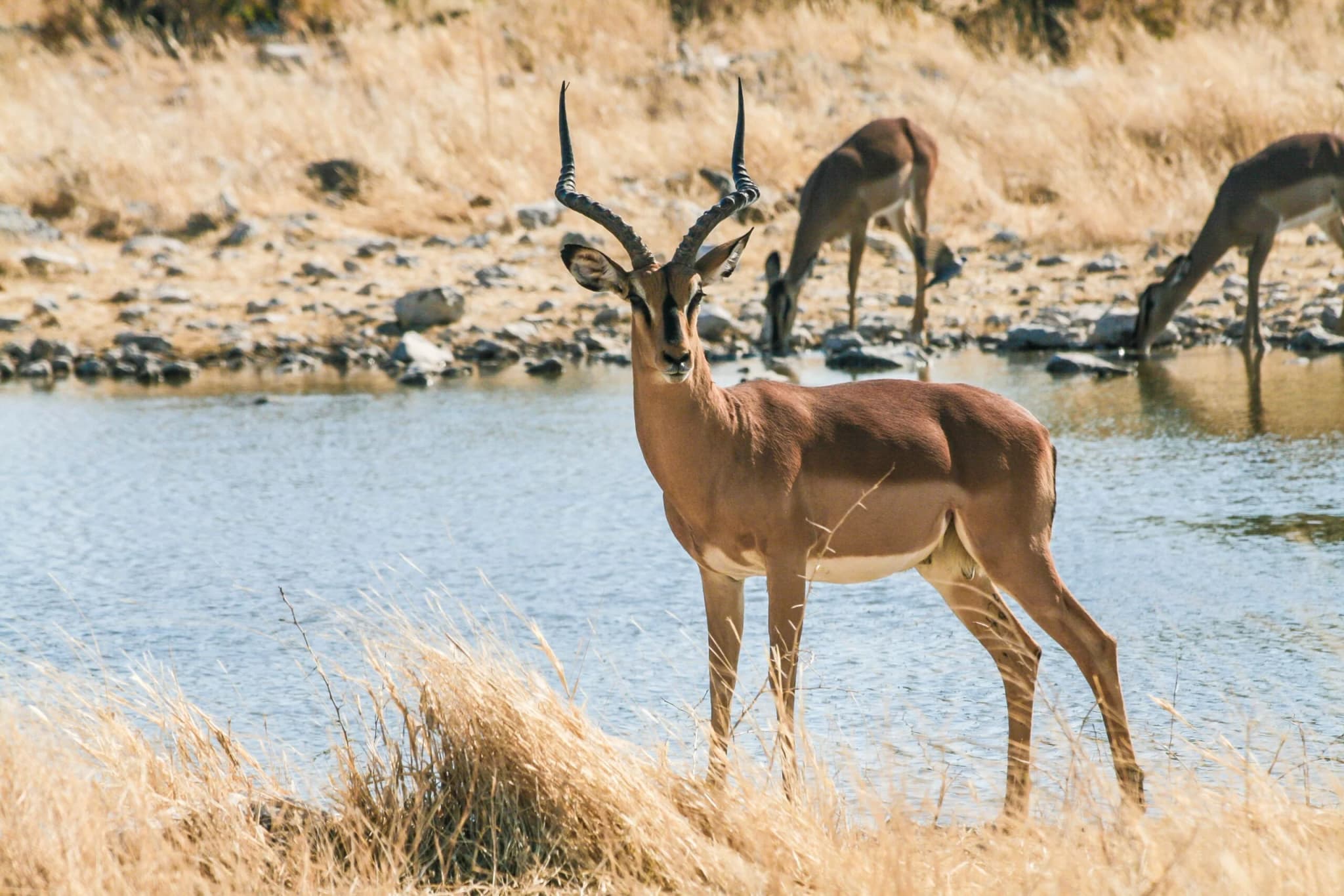
Impala
Aepyceros melampusThe heartbeat of the African bushveld. Graceful lyre-shaped horns, phenomenal leaping ability, and razor-sharp alarm snorts that warn the bush.
Pointed cloven tracks with black scent-gland tuft markings often brushed along grass stalks.
“Impala are the heartbeat of the bushveld. Their roaring rutting calls in autumn and sudden alarm snorts signal the presence of leopards with uncanny accuracy.”
Warthog
Phacochoerus africanusTough, comical, yet formidable suids with sweeping curved ivory tusks. Highly favored by bowhunters over natural waterholes and wallows.
Square-toed cloven hoof impressions, often accompanied by knee-rub marks from rooting.
“Always enter an active burrow rear-first: a warthog reverses into its hole so its razor tusks face any pursuing intruder.”
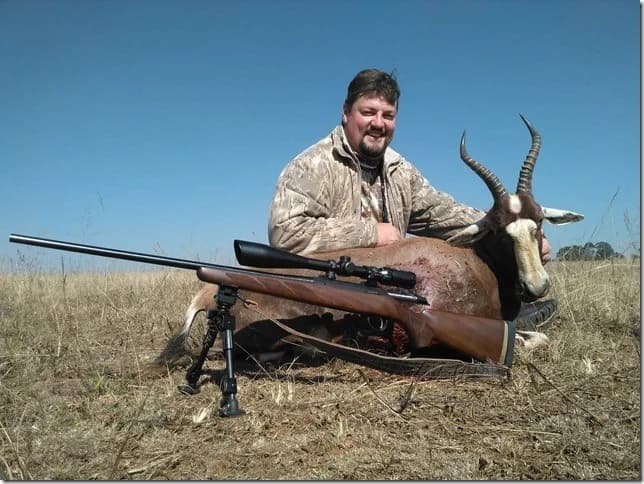
Blesbok
Damaliscus pygargus phillipsiEndemic to Southern Africa's open grasslands. Distinctive white facial blaze, purplish-brown iridescent coat, and ribbed lyre horns.
Neat, narrow cloven hooves with slight inward curve suited for hard open prairie.
“Blesbok face into the wind when grazing on open plains. Approaching them requires utilizing low folds in the savanna landscape with disciplined crawls.”
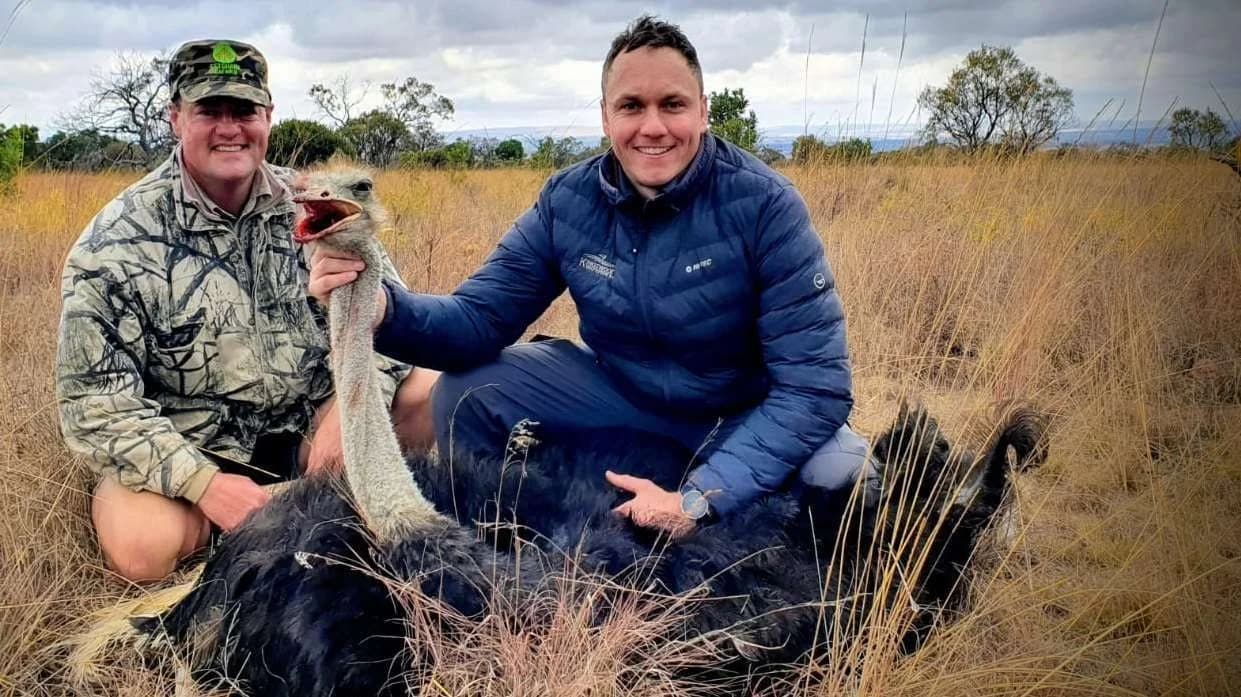
Springbok
Antidorcas marsupialisThe national emblem of South Africa. Famous for their vertical pronking leaps, lyre horns, and white dorsal fold of pocketed scent fur.
Delicate, heart-shaped miniature cloven hoof marks in hardpan clay and salt pans.
“When springbok 'pronk'—springing straight up into the air with arched backs—they release a sweet pocket of scent from their dorsal fold across the plains.”
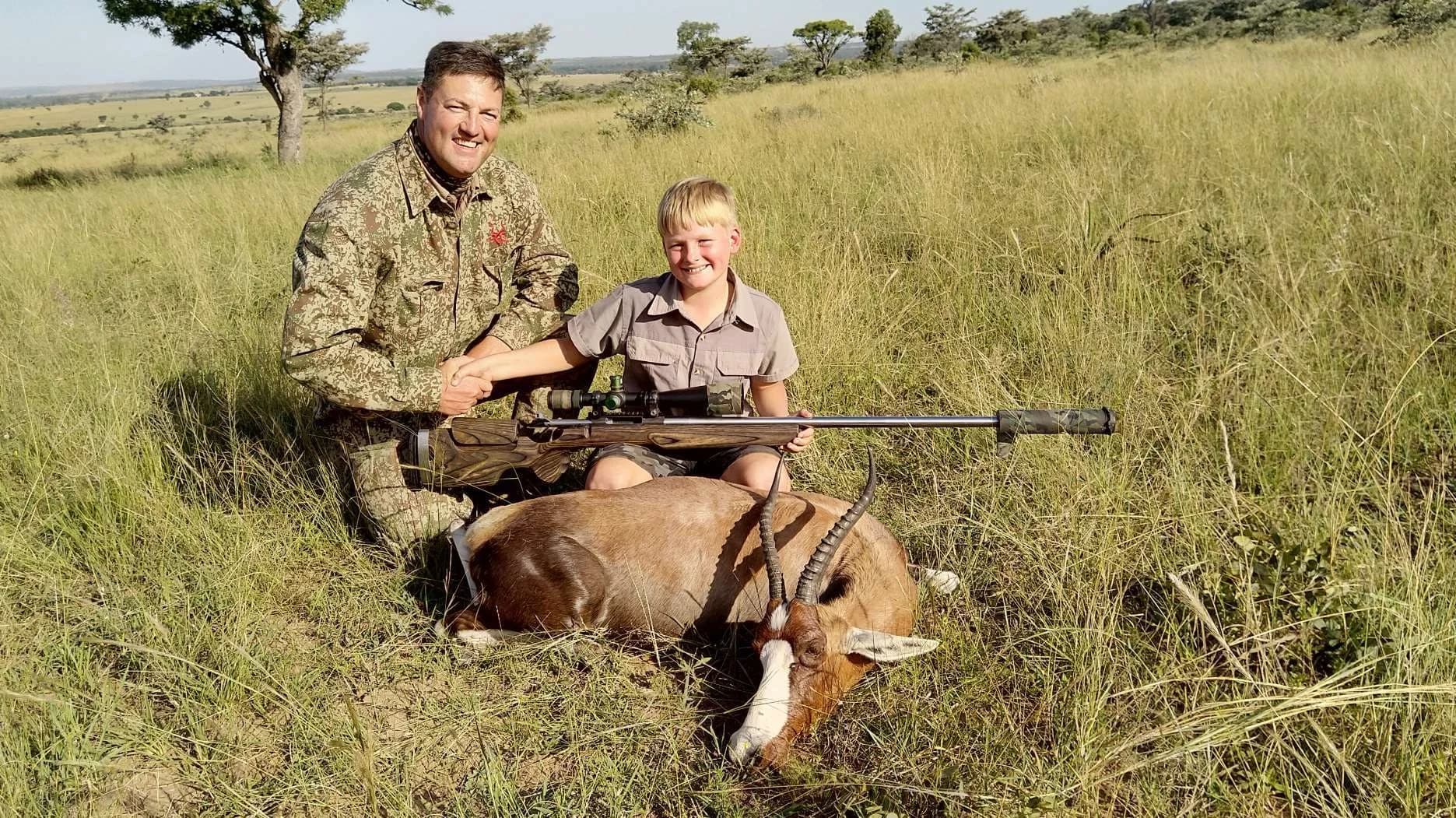
Red Hartebeest
Alcelaphus buselaphus caamaOne of Africa's swiftest antelopes. High sloping withers, rich mahogany-red coats, and complex zig-zag horns mounted on a prominent pedicle.
Large, pointed cloven prints deeply dug into sandy red earth during high-speed galloping.
“Hartebeest possess incredible eyesight and stamina. When spooked, they will run a half-mile, stop on a termite mound, and turn broadside to investigate.”
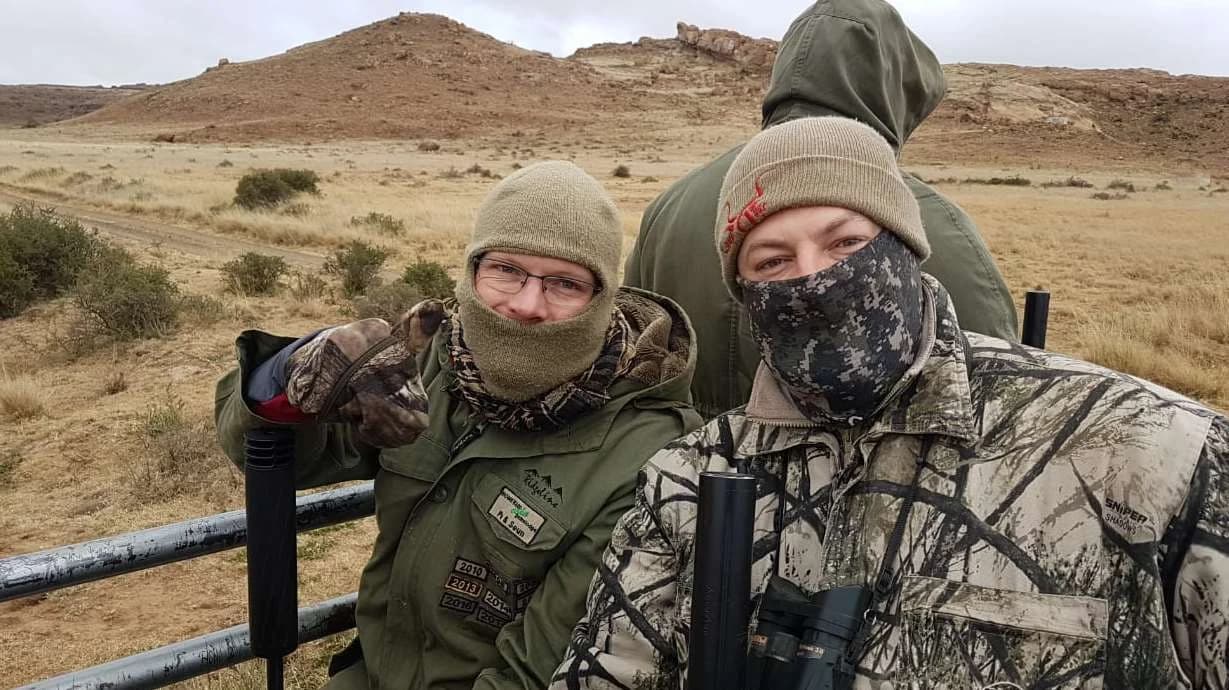
Black Wildebeest
Connochaetes gnouEndemic to the South African highveld. Forward-curving hooks, long white horse-like tail, dark bristling mane, and wild erratic territorial displays.
Compact, blunt cloven hoof prints grouped in tight circular herd tracks on open plains.
“The 'clown of the bushveld'. Bulls will buck, spin in circles, and drop to their knees in aggressive horn-gouging territorial duels.”
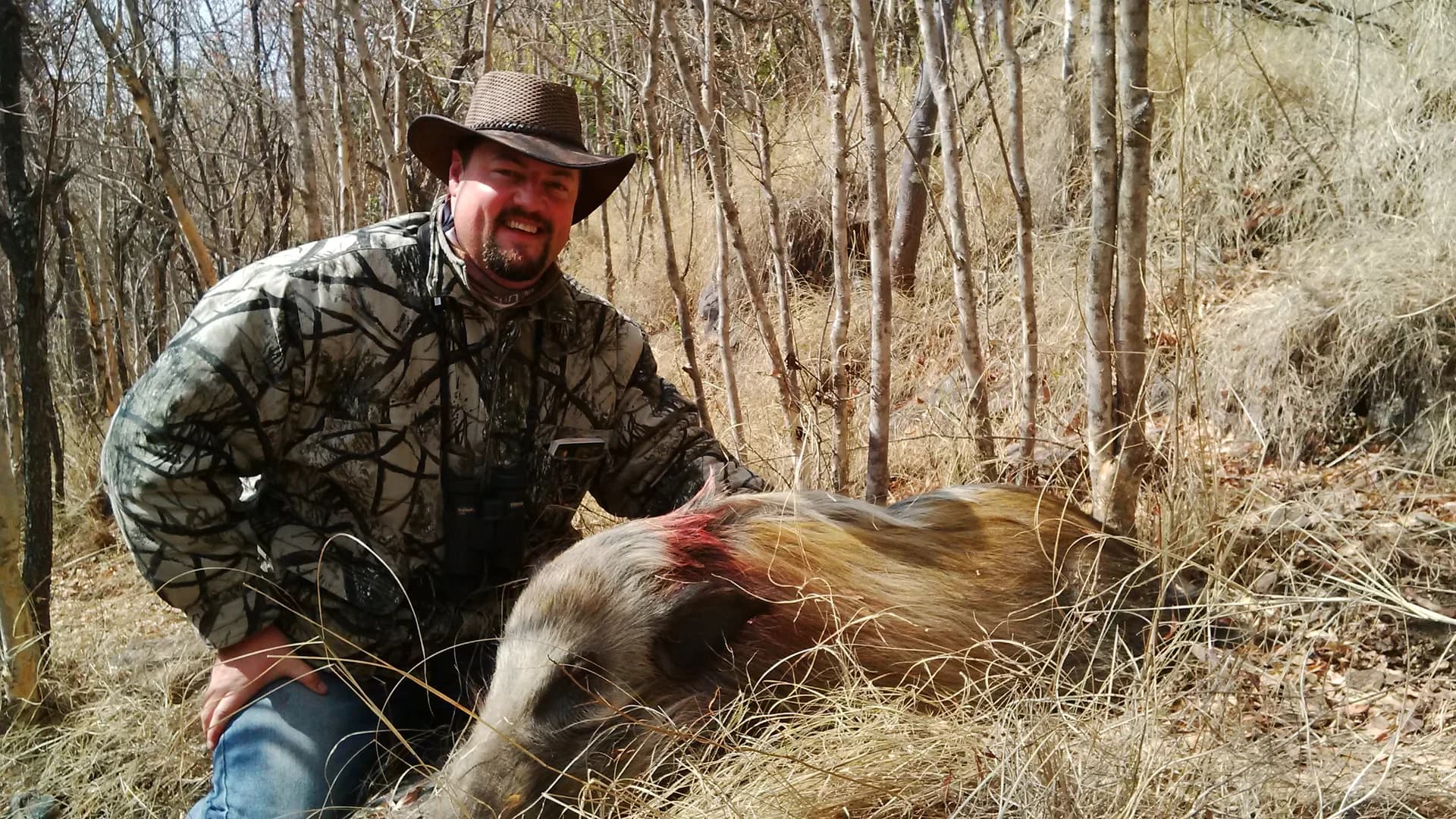
Bushpig
Potamochoerus larvatusSecretive nocturnal suids with shaggy red coats, white mane crests, tufted ears, and formidable sharp tusks pursued under spotlight or moonlight.
Blunt two-toed hoof prints often found near farm crop borders, riverbanks, and root diggings.
“Hunting bushpig requires absolute stillness in a night blind over bait. When the sound of crunching corn stops, the old sounder boar is testing the wind.”
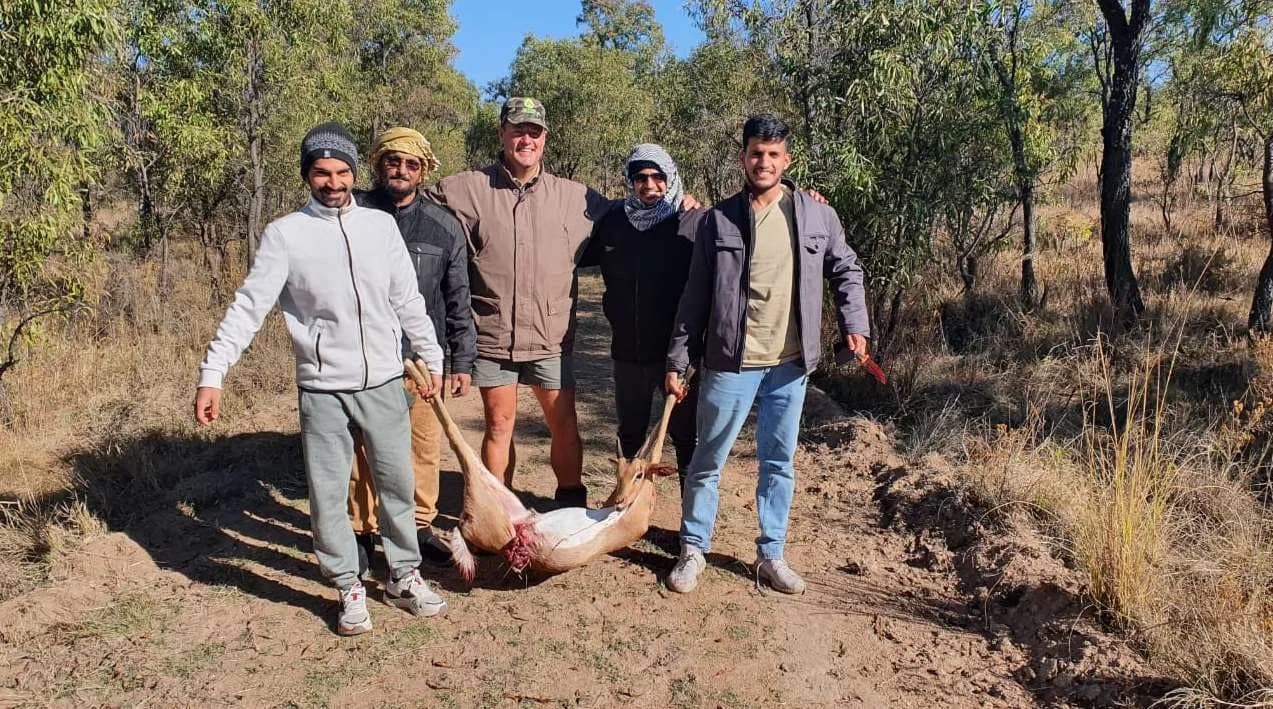
Steenbok & Common Duiker
Raphicerus campestris / Sylvicapra grimmiaDelicate miniature browsers of the bushveld undergrowth. Tiny upright needle horns, oversized ears, and remarkable camouflage skills.
Fingernail-sized delicate hoof marks left lightly on soft sand trails.
“A steenbok will crouch flat in short grass with neck extended, betting its life on its reddish coat matching the soil. Only at the very last second will it bolt.”
Guiding Daily Rates, Trophy Tariffs & Legal Invariants
In compliance with South African statutory outfitter regulations and our commitment to zero hidden surcharges, all daily rates, trophy fees, and concession logistics are transparently published.
1 Hunter x 1 PH
Dedicated licensed Professional Hunter, custom 4x4 hunting cruiser, field tracker, and skinner team.
2 Hunters x 1 PH
Two hunting companions or father-and-son pairs sharing a Professional Hunter and dedicated tracker squad.
Observer / Non-Hunter
Full board luxury lodge accommodation, all meals, local estate wines, laundry, and daily photographic drives.
Trophy fees destined for export are 0% VAT under statutory SARS export guidelines when processed by licensed taxidermy freight partners.
In accordance with South African conservation ethics, any animal where blood or bone is drawn is deemed taken; full trophy fee applies.
50% of daily rates secures your exclusive concession dates. The balance is settled prior to arrival or in camp upon checkout.
Calibrated safari rifle rental (.300 Win Mag to .416 Rigby) at R950/day. Turnkey SAPS 520 VIP airside clearance available.
Design a Bespoke Wilderness Expedition
Interested in tracking a specific apex species on foot, pursuing the 4 Spiral Horn monarchs, spending hours in private sunken photographic hides, or reserving an entire private concession? Use our interactive bespoke builder to customize your duration, aviation tier, and field passions.
Design Your Safari Budget with 100% Transparency
Configure your exact party size, hunting ratio, and target species. Live line-item calculations in USD, EUR, GBP, or ZAR including statutory 15% South African VAT on daily rates and 0% export zero-rating on trophy fees.
Expedition Parameters & Guiding Ratio
Define duration, hunting party, and professional guiding tier.
Target Species & Trophy Roster (0 Selected)
Select the game species you plan to hunt. Zero export VAT applies to all trophies.
Indicative Expedition Total
7 Days • 1 Hunter(s) • 0 Observer(s) • 0 Trophies
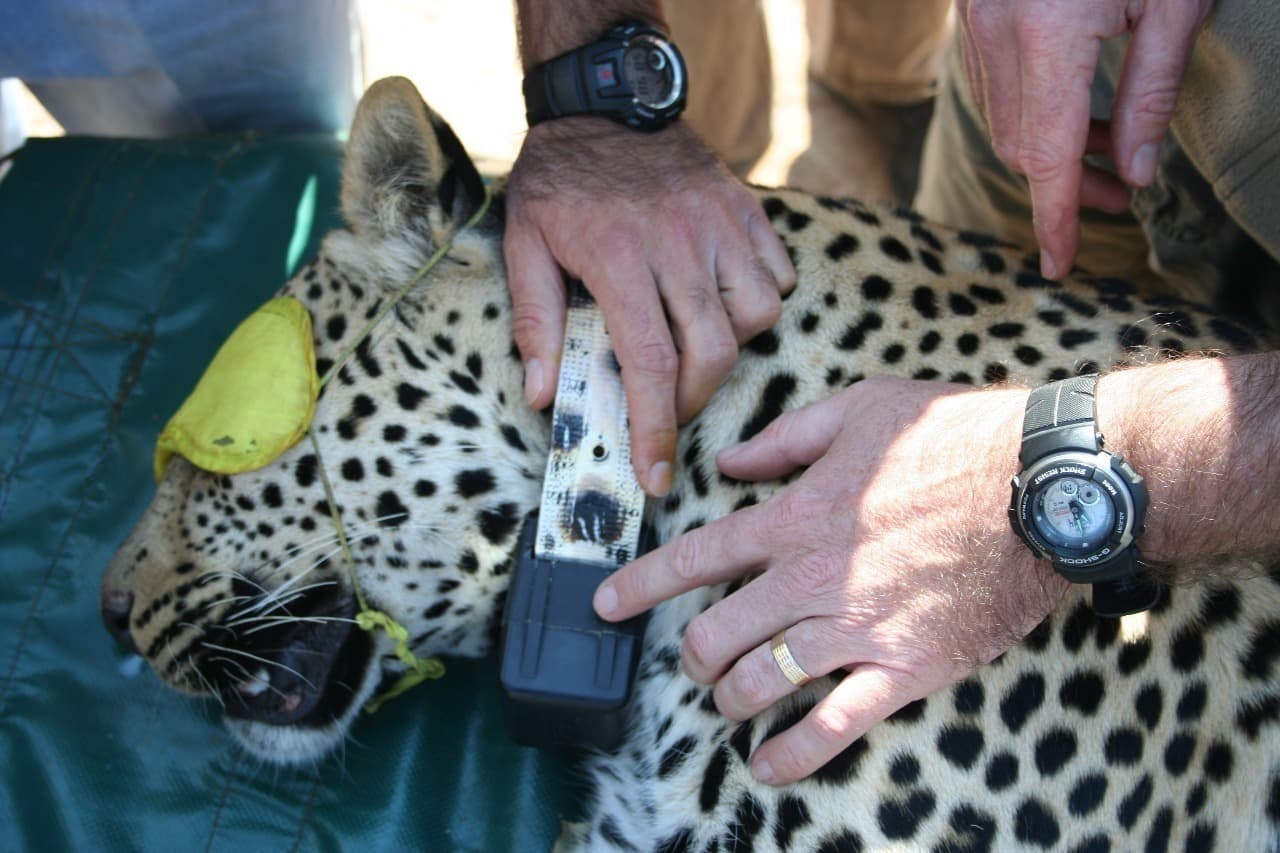
Experience Bush Tracking In Person
Join our master trackers on a private expedition to read these tracks in the morning dew, interpret bird alarm communications, and observe apex wildlife in undisturbed private habitats.
Field Gear & Tracking Essentials
Tracking dangerous game on foot demands silent apparel, sun protection, and immediate access to heavy ammunition. Hand-selected by our Lead Professional Hunters.
Field Guide to Southern African Mammals & Spoor
Waterproof laminated veld reference guide with high-res photography and spoor diagrams for tracking on foot.
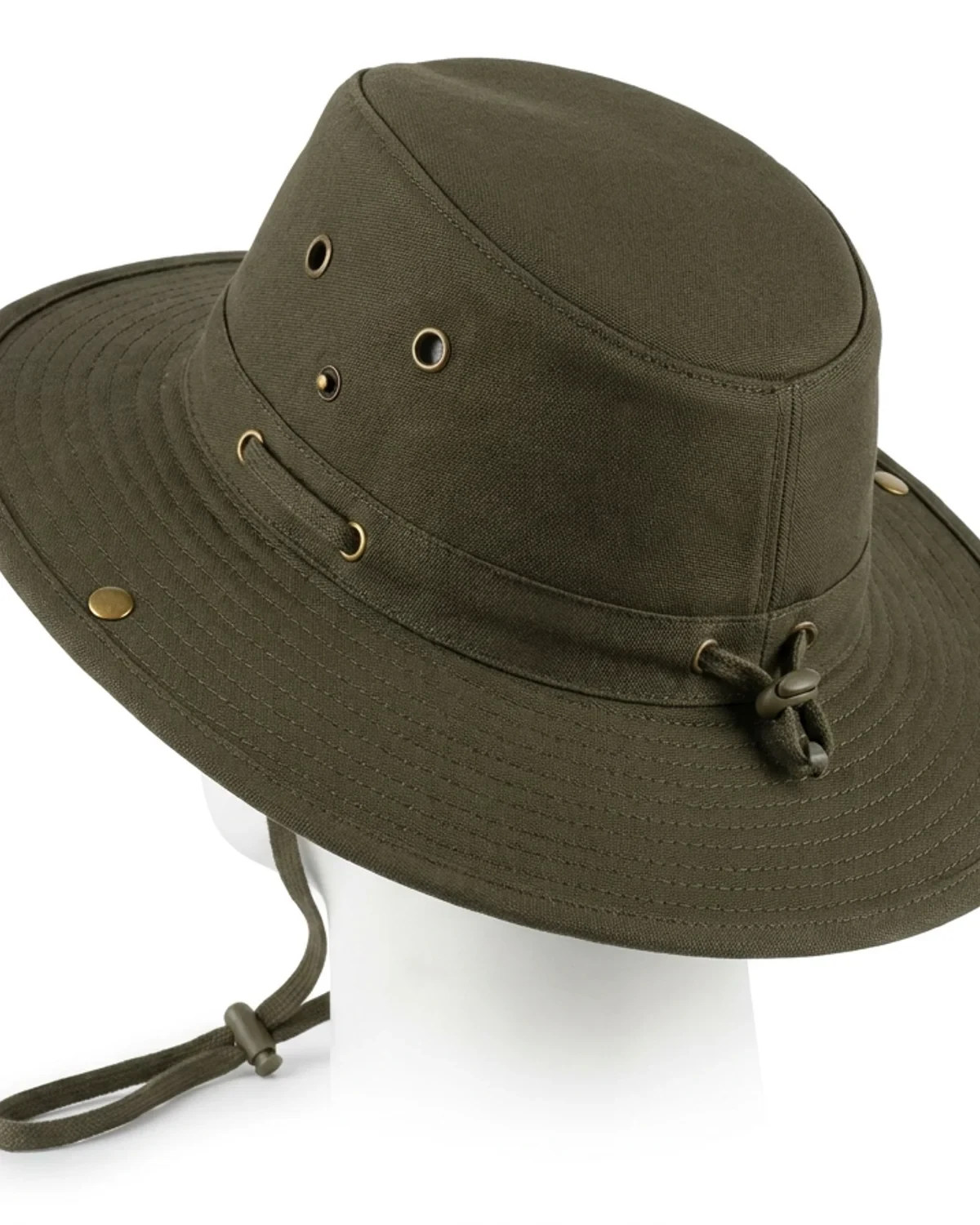
Kampvuur Safaris Explorer Bush Hat
UPF 50+ sun protection with silent brushed cotton twill and brass mesh ventilation eyelets.
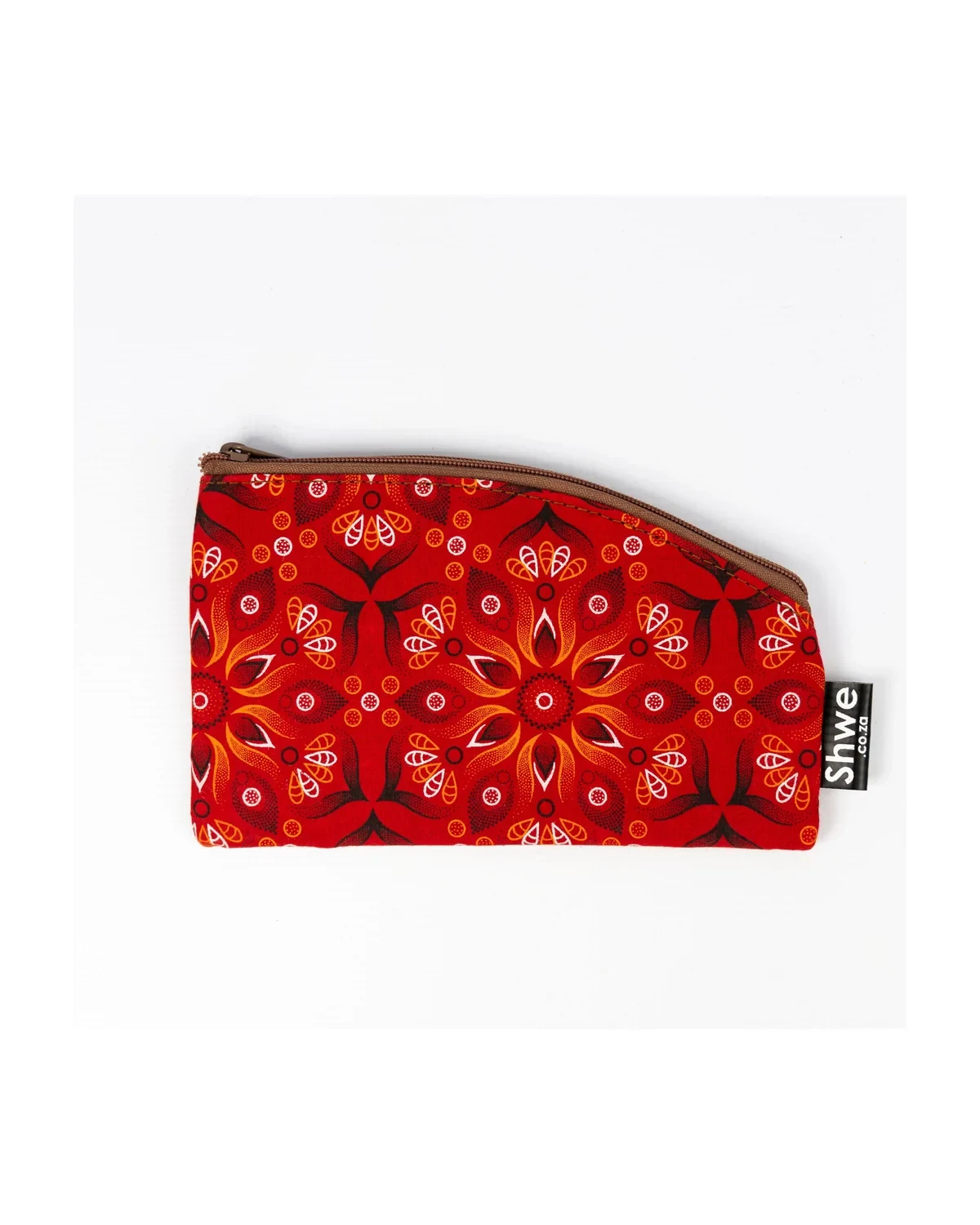
Handcrafted Leather Cartridge Pouch & Bush Belt
Artisanal South African leather cartridge pouch custom-molded for dangerous game (.375 to .458) or magnum calibers.
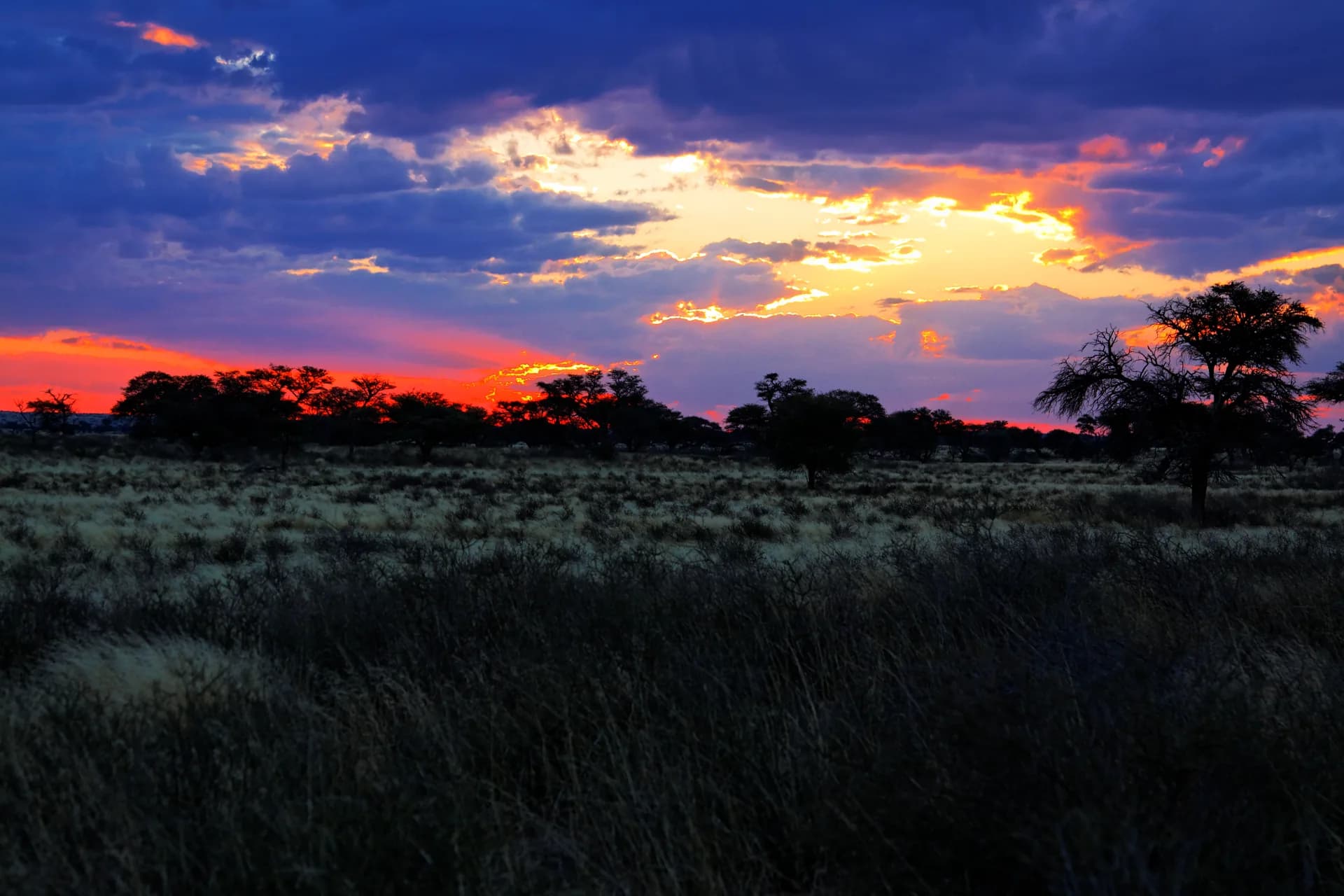
Begin Your African Adventure
Our mission is to provide unique, authentic, and memorable experiences. Whether you're a seasoned adventurer or a first-time traveler, we aim to create memorable safari experiences that will last a lifetime.
Operating strictly under South Africa Standard Time (SAST, UTC+2).
Inquire About Game Species Safaris
Receive a customized itinerary, concession availability, und transparent tariff schedule within 24 hours.